Showing posts with label the four seasons. Show all posts

Friday, February 12, 2021

Romanesco Soup: The Color of Spring


ROMANESCO?

Romanesco (Brassica oleracea) has been cultivated in Italy since the sixteenth century, and is currently in season at Northern California farmers markets. Its delicious nutty flavor, vibrant color and plentiful nutrients make it a perfect ingredient for a simple one- pot soup. Yield: About four cups. (For extra credit, look up "fractals" and "fibonacci numbers").

****

ROMANESCO SPRINGTIME SOUP

INGREDIENTS:

 2- 3 cups Romanesco, roughly chopped

2-3 medium shallots, peeled

2 ribs celery, chopped

2 - 3 garlic cloves, peeled

2 bay leaves

fresh water to cover

1 cup + more as needed unsweetened plain almond milk or soy milk

1/2 teaspoon sea salt, or to taste

freshly ground black pepper to taste

METHOD:

Place vegetables and bay leaves in a soup pot; add just enough fresh water  to cover the vegetables by about one inch. 

Bring to a simmer, cover, and allow to cook gently on a medium flame until Romanesco is just tender and still bright green.  

Remove from heat. Carefully drain vegetable broth into clean glass jars. Allow cooked vegetables to cool. Remove bay leaves.

In stages, puree the vegetables in a blender, adding vegetable broth and nut milk or soy milk as needed.

For a creamier soup, use a larger proportion of nut milk than broth, adjusting the consistency to your taste.

Add sea salt and a few generous grinds of fresh black pepper.

Taste and adjust seasoning.

SERVING SUGGESTIONS:

The flavor of this soup is enhanced if it is allowed to rest for a few minutes, but if you can't wait, reheat and serve immediately in pre-warmed ceramic bowls or mugs. Garnish with a drizzle of olive oil, your choice of fresh chopped herbs, or dust with a sprinkling of red pepper flakes or Hungarian paprika. Enjoy a taste of springtime!


Wednesday, May 20, 2020

The Joy of Leafy Greens: Beauty, Simplicity, Health


Fresh produce is an essential key to health, and in this era of heightened awareness of wellness, eating dark leafy greens daily is an easy and critical practice to cultivate. Steaming is perhaps the simplest technique for preparing hearty greens and requires no special utensils.  I purchase greens weekly at my local farmers market and upon returning, I prepare several days worth of greens right away so they will be ready for eating later in the week. The method which follows is applicable to nearly every variety of dark leafy green.

PREPARATION:

1. Rinse greens and trim about 1/4 inch from the bottom of the stems. The stems are edible and nutritious and should not be discarded.

2. Put a few inches of fresh water into a pot with a well fitting lid and bring to a boil.

3. Stack the greens in the pot, pressing gently so they fit, and cover. They do not need to be immersed in the water.

4. Gently simmer just until greens wilt. The timing will vary depending on the thickness of the leaves. The rainbow chard pictured above requires about 3 minutes. Steam a little longer if you prefer more thoroughly cooked greens, but don't over cook. I usually turn the greens over once during cooking.

5. Remove greens immediately from pot and place in a colander to cool.

6. Pour the cooking water into clean glass jars and reserve for later use. 


SERVING SUGGESTIONS:

It's fun to invent creative presentations for steamed greens. Here I've cut off the stems (and set them aside for snacks) and rolled up the leaves:


Drizzle with olive oil, a little sea salt and freshly ground black pepper.  

Other delicious garnishes: 
Toasted sesame seeds
Toasted chopped almonds, walnuts, hazelnuts, pine nuts
Lemon or lime juice
Fresh or dried oregano, marjoram or basil 
Umeboshi vinegar 

STORAGE:

Steamed greens keep perfectly well for several days in a covered glass or stainless steel container in the fridge. 

Greens can be served at room temperature, or gently warmed in a skillet in a little olive oil.
Whole leaves can be cut up before heating; kitchen shears are a great tool which make this task effortless. Greens can also be warmed briefly in some of the reserved cooking water. Add  a peeled garlic clove to the broth if you wish.  Enjoy a cup of the broth as a quick, energizing snack.

VARIETIES  OF LEAFY GREENS:

If you have access to a farmers market you will find many varieties of dark leafy greens which are not commonly available in conventional food stores. Some of the densely nutritious greens available now in Northern California farmers markets are:

Rainbow Chard
Collards
Beet Greens
Spigarello
White Russian Kale
Italian (Lacinato) Kale
Mustard Greens
Mizuna
Bok Choy
Arugula
Watercress

NEW TASTES AND FLAVORS:

Fresh local produce is full of intense complex flavors. It may take some practice to notice and appreciate them, especially if you are not accustomed to eating simple, unprocessed foods. If fresh, simply prepared greens seem flavorless or unappealing to you, try a mini fast of sixteen or eighteen hours; a serving of greens and a cup of warm broth may be a revelation when hunger is genuine.

During this extraordinary time, when food shopping is challenging and we must make do with narrower choices, consider taking the opportunity to re-frame preexisting ideas and expectations about what food should taste like, and what a meal consists of.

Our ancestors were foragers, gatherers and hunters, who did not eat three meals a day, nor did they know about the four food groups, food pyramids, vitamins, proteins or calories. Somehow, they were strong and resilient enough to reproduce generation after generation, and to survive over thousands of years in the absence of supermarkets, fast food, take-out and restaurants. Perhaps we can be inspired today by their example.


Tuesday, December 31, 2019

Celery Broth Winter Tonic


Perhaps you've noticed that raw celery juice is a current wellness fad, following on the heels of  other trendy "super foods" such as kale, acai berries, flax and chia seeds popularized by celebrity social media influencers. 

According to Traditional Chinese/ Eastern Medicine, celery, though not a panacea, does possess considerable health supportive qualities, including its ability to cool inflammation, reduce dampness, strengthen organ function and calm the nervous system. In western terms, celery contains generous amounts of essential compounds such as potassium, silicon, sodium, vitamin C and more.

The brilliantly fresh organic celery at my local farmers market is topped with large crowns of bright green leaves whose deep pigmentation signals a high nutrient content.  Quite bitter when raw, celery leaves mellow appreciably when briefly simmered in water. The resulting broth and lightly steamed leaves are intensely flavorful and energizing, and can serve as a potent antidote to holiday feasting.

Although raw juices are hugely popular in contemporary wellness culture, Traditional Chinese/ Eastern Medicine specialists recommend avoiding consumption of cold raw foods in winter, especially for individuals who are recovering from illness, suffer from fatigue, have difficulty staying warm, are older or have chronic health challenges. Lightly steamed hardy greens and warm broths are thought to be particularly restorative.

Disclaimer: This simple celery leaf  infusion is not party fare, but your body will celebrate when you reward it with the occasional cup.


Ingredients:

2 bunches organic celery with leaves
fresh water

Method:

Cut leafy tops and their slender stems from the thicker celery stalks.
Set aside the celery stalks for future use.
Chop leaves and stems roughly.
Place chopped greens in a stainless steel pot with a well fitting lid.
Add fresh water to cover about half the greens.
Cover pot and bring to a gentle simmer for two or three minutes, stirring once or twice.
When leaves have wilted but still retain their bright green color,  remove from heat.
Allow leaves to rest, covered, for five or ten minutes.

Broth:
Pour the celery broth into clean glass jars; it will keep well in fridge for several days.
Gently reheat without boiling and sip for an invigorating, warming winter drink. 

Greens:
Greens will store well for several days in fridge.
To prepare, finely chop greens and heat briefly in olive oil.
Serve tossed with sea salt and freshly ground black pepper, or with any garnish of your choice.
Especially delicious sprinkled with home made gomasio, a Japanese toasted sesame seed condiment. (Recipe @ http://tinyurl.com/rbo3w6f)


Monday, December 18, 2017

The Winter Day: One Photo, Three Lines


  The Winter Day:

"The winter day
  one with sorrow
  carries a flower in the hand."

- Dakotsu Iida (1885- 1962)


Friday, October 20, 2017

Spicy Turmeric- Cardamom Nut Milk Drink


Spicy Turmeric- Cardamom Nut Milk Drink

This warming delicious drink was inspired by the first cool days of autumn, when I was craving something hot but more substantial than tea. Spicy nut milk makes a nourishing light morning meal and is satisfying as a savory or sweet treat. The recipe can be adjusted to your taste, and according to what's in your pantry. Use only the best quality spices, which have not been stored in your spice rack since the dark ages. Makes one serving, but you'll want more!

Ingredients:

1/2 teaspoon turmeric powder
1/2 teaspoon ginger powder
3 or more grinds black peppercorns
1/4 teaspoon cardamom powder*
1-2 pinches sea salt
1/4 teaspoon olive oil
1/2 teaspoon vanilla extract
1/2 teaspoon maple syrup (optional) 
1 cup plain unflavored nut milk (almond or cashew)

Method:

Place all ingredients except nut milk in a mug and stir well.
Heat nut milk gently, without boiling.
Pour nut milk into the mug and stir.
Taste and adjust seasoning to your taste.

*Note: I prefer to use whole cardamom straight from the pod. Break open one or two pods, remove the small black seeds, and crush with the back of a tablespoon on a cutting board. Incomparable flavor!


Monday, July 10, 2017

On Perfection, Evolution & Summer Pleasures


Though human perfection does not exist, Homo sapiens is imbued with the evolutionary drive to seek perfection in all things.  Perhaps this  impulse is linked to the survival instinct which pushed our species to hunt for the best food, partners, comrades and environments. 

There is tension inherent in this search, for ultimately, one must make a choice.  Certain choices are crucial, and will resound in our lives for decades. Other choices are simpler; which sunflower, which artichoke, which peach shall we select?  

Such are the small, weightless pleasures of summer, when there is an abundance of nearly  perfect produce to enjoy.


***
inanimate perfection?


Wednesday, January 18, 2017

Korean Comfort Food: Sweet Azuki Porridge


Azuki bean porridge, Pat Juk, is a traditional staple of Korean cuisine, eaten year round at all times of day. The sweet variety, Dan Pat Juk, is prepared and shared with neighbors and friends on "Little Lunar New Year" which takes place on the winter solstice. The reddish color of the porridge is meant to ward off evil spirits, and as in many cultures, eating sweet foods expresses the hope of a sweet year to come.

Savory or sweet, Azuki porridge is a sublime comfort food which is highly nutritious and simple to make. This interpretation of Dan Pat Juk requires few ingredients and the only active labor involved is the time it takes to blend the cooked beans into a smooth porridge. Traditional Korean recipes call for rock sugar as the sweetener; I've substituted medjul dates. For a sweeter dish, maple syrup may be added to taste.

Dan Pat Juk is very filling; this recipe yields roughly six modest servings. The flavor of the juk mellows with rest, so don't hesitate to make extra for later use. To store cooked beans safely, place in clean glass jars with tightly fitting lids while still very hot. I like to use small single serving sized glass canning jars for this purpose. Handled this way, beans will keep well in the fridge for up to five days.

Ingredients:

2.5 cups azuki beans, soaked for about 6- 8 hours*
fresh water
4-5 large medjul dates, pitted and sliced in half
sea salt to taste
1 or 2 tablespoons maple syrup to taste (optional)
mint leaves for garnish
pine nuts for garnish

Method:

Drain and rinse beans thoroughly in running water.
Place beans in a heavy bottomed pot and add enough fresh water to cover by about two inches.
Bring to a simmer, cover and cook over a medium- low flame for one hour or more.
Stir beans occasionally, adding water if they are not covered by liquid.
Beans are done when one is easily mashed between thumb and forefinger.
Remove pot from heat, stir in dates, cover and allow to rest until cool enough to blend.
Blend beans in batches in blender, adding cooking liquid or small amounts of fresh water as needed, until porridge is velvety smooth.
Return porridge to pot, reheat thoroughly and add sea salt to taste.
One or more tablespoons of maple syrup may be added to taste.

Serve dan pat juk  in small preheated ceramic bowls.
Garnish with a sprig of fresh mint and a sprinkling of pine nuts.
Store remaining porridge in glass jars in fridge for up to five days.
Reheat thoroughly for a quick, warming and energizing meal.


*A note about soaking legumes:  Soaking legumes is not a complicated affair but it involves some planning. Soak beans overnight or put them in to soak early in the morning. If you've soaked beans for several hours but must postpone cooking, drain them and keep in the fridge for up to another day. 


Thursday, December 15, 2016

A Winter Restorative: Root Broth


This season of excessive consumption, activity and stimulation creates a need for counter- balancing austerity. Root broth, a fortifying Winter restorative, is a satisfying response. Both the making and the drinking are effective antidotes to the restless chatter of our universe.

The broth is prepared by simmering a selection of roots in water until tender. Humans have cooked this way under very primitive conditions for millennia, ever since they tamed fire and created ceramic vessels. This simple non-recipe produces a warming and intensely flavorful clear broth, replete with valuable nutrients. Select any combination of the following ingredients- whatever is available will be suitable.

Ingredients:

carrots
turnips
white radish
purple radish
parsnip
ginger root
leek
garlic cloves
dried shiitake mushrooms
bay leaves
fresh water
sea salt to taste

Method:

Scrub and trim root vegetables and cut into medium sized pieces. Peel the garlic cloves but leave whole. Shiitake mushrooms are also left whole.

Place vegetables and bay leaves in a soup pot. Add fresh water, enough to cover the vegetables by one or two inches.


Bring to a simmer, cover and cook over a low flame, adding more water if level gets too low. Simmer until vegetables are tender but not mushy.  (Longer cooking is fine but will yield a thicker broth).  Turn off heat. Remove the mushrooms and when cool enough to handle, slice and return to broth. Taste and add sea salt as desired. Serve in a pre-heated bowl so that broth stays warm.


Living in Harmony With the Atmosphere of Winter:


"The three months of Winter are called the period of closing and storing. Water freezes and the Earth cracks open. One should not disturb one's Yang. People should retire early at night and rise late in the morning and they should wait for the rising of the sun. They should suppress and conceal their wishes, as though they had no internal purposes, as though they had been fulfilled. 
 People should try to escape the cold and they should seek warmth. They should not perspire upon the skin, and they should let themselves be deprived of the breath of the cold. All this is in harmony with the atmosphere of Winter and all this is the method for protection of one's storing."

-- From the Nei Jing, The Yellow Emperor's Inner Classic (circa 206 BCE-220 CE)


Thursday, September 15, 2016

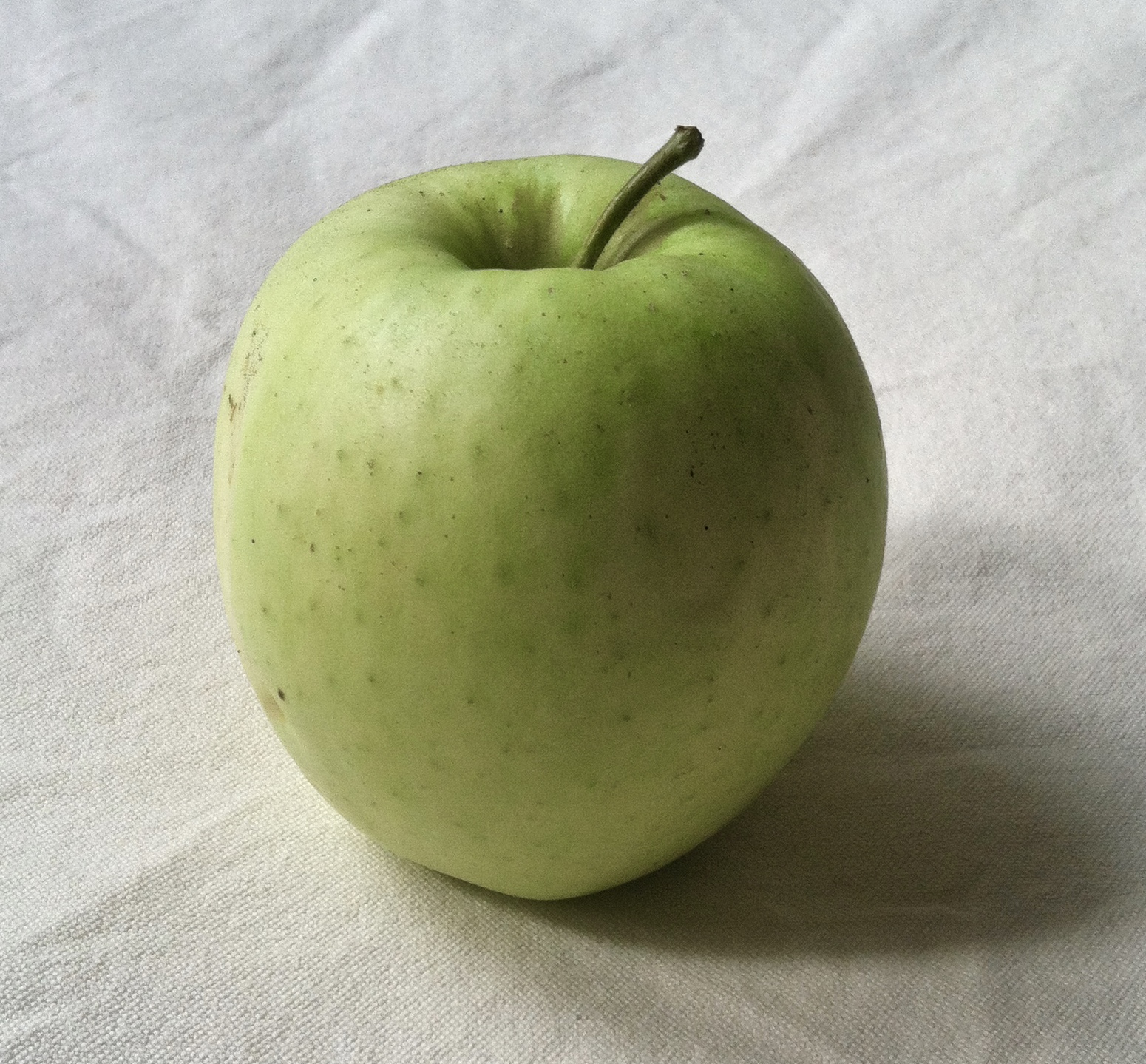
Of Autumn, Apples and Poetry


Autumn is a time to pause for reflection as the heat, light and activity of Summer diminish; it is a distinct period of transition between the expansive warm energy of Summer and the cold contracting energy of Winter, a time to let go of the pleasures of Summer and to gather and safeguard food and fuel for the season ahead when the earth freezes and growth ceases.

According to traditional Asian medical theory, the Lung is the organ system associated with Autumn; it is closely connected to our external environment via the nasal passages and throat and is vulnerable to changes in temperature and atmosphere. (I remember noticing while traveling in the chilly highlands of Guatemala that women habitually covered their noses and mouths with a shawl during cold weather, when the wind blew or when riding on a bus with open windows).

The energy (Qi) of the Lungs can be supported by eating specific foods, like the fruits which are now in season: apples, pears, grapes and persimmons. These are thought to protect the Lungs by keeping them slightly moist and cool, rather than too cold, dry, hot or damp. Spicy, pungent foods like ginger root, radishes, leeks, onions and garlic also benefit the Lungs by gently increasing local circulation. Appropriate exercise, adequate sleep and mindful awareness of unsettling thought patterns and excessive emotion are additional ways to protect Lung Qi.


Apples  (By Grace Schulman)

Rain hazes a street cart's green umbrella
but not its apples, heaped in paper cartons, 
dry under cling film.  The apple man,

who shirrs his mouth as though eating tart fruit,
exhibits four like racehorses at auction:
Blacktwig, Holland, Crimson King, Salome.

I tried one and its cold grain jolted memory:
a hill where meager apples fell so bruised
that locals wondered why we scooped them up,

my friend and I, in matching navy blazers,
One bite and I heard her laughter toll,
free as school's out, her face flushed in the late sun.

I asked the apple merchant for another,
jaunty as Cezanne's still-life reds and yellows,
having more life than stillness, telling us,

uncut, unpeeled, they are not for the feast
but for themselves, and building strength to fly
at any moment, leap from a skewed bowl,

whirl in the air, and roll off a tilted table.
Fruit-stand vendor, master of Northern Spies,
let a loose apple teach me how to spin

at random, burn in light and rave in shadows.
Bring me a Winesap like the one Eve tasted,
savored and shared, and asked for more.

No fool, she knew that beauty strikes just once,
hard, never in comfort. For that bitter fruit,
tasting of earth and song, I'd risk exile.

The air is bland here. I would forfeit mist
for hail, put on a robe of dandelions,
and run out, broken, to weep and curse- for joy. 


"Apples" from The Broken String by Grace Schulman, Houghton Mifflin 2007.


Wednesday, August 17, 2016

Tomato, Tomatl, Solanum Lycopersicum!


The tomato is a fruit of many colors, shapes and names, and summer is the time to revel in its heady acidic sweetness. Though greenhouse tomatoes are available year round, a tomato in winter is but a pale imitation of robust fruit grown in healthy soil under the hot summer sun. 

Tiny wild tomatoes were native to South and Central America and were first cultivated by the Inca and Aztec peoples around 700 CE.  The Aztecs learned to breed large flavorful specimens which they called "tomatl" meaning "fat fruit" or "plump fruit" and "xitomatl" meaning "plump fruit with a navel" in the Nahau language.

Spanish explorers introduced the fruit which they called "tomate" to Europe in the sixteenth century; eventually it gained extensive culinary use throughout the continent and beyond. The Italians named it "pomodoro" or "golden apple" and the French call it "pomme d'amour", "apple of love". In Russia, home of the famous heirloom Black Krim,  the fruit is called "pomidor".


Known botanically as Solanum lycopersicum, tomatoes belong to the large family Solanaceae which includes potatoes, eggplants, peppers and tobacco. The etymological roots of Solanaceae are unclear, but Lycopersicum  as translated from Greek means "wolf peach", "lyco" meaning "wolf" and "persikon" meaning "peach". The "wolf peach" name may stem from early European folklore involving witchcraft and werewolves. Tomatoes were long thought to be poisonous since they belong to the nightshade family, which includes some deadly varieties.

Far from being poisonous, tomatoes are dense with valuable nutrients, especially lycopene, a powerful antioxidant which gives tomatoes their deep color and is thought to offer protection from several types of cancer and coronary artery disease. Tomatoes also contain plentiful amounts of vitamin C, potassium and fiber, and a 100 gram serving provides nearly a gram of protein. 


Tomato, tomatl, Solanum lycopersicum; whatever name you give it, the plump fruit of the Aztecs and Incas is one of the finest simple pleasures of summer. 


Thursday, July 7, 2016

Farmer's Markets: Where the Real Food Is


One of the great luxuries of life in Northern California is the accessibility of quality produce year round. Even in winter, a variety of fresh vegetables and fruits are available from regional farms. In San Francisco, neighborhood farmer's markets provide urban residents the opportunity to deepen their understanding of seasonal growing cycles and to become familiar with a broad range of produce which is seldom available commercially.


In our earliest millennia as a bipedal species, our primary occupation was to search for and gather our food. Anthropologists observe that foraging peoples walked an average of three to five miles a day in search of a remarkably diverse selection of edible plants, roots, nuts, berries and fruit. Our ancestor's survival hinged upon their knowledge of where each of many varieties of food was located in its season and the ability to gather it. Energy, intelligence and perseverance were critical to this task; our motivation was hunger. Homo sapiens succeeded in this endeavor well enough to reproduce and pass on the human genome from generation to generation.


Many thousands of years later, this essential human project has turned upside down. Moderns have little need to gather their own food, and little time to prepare it. Most of us spend our days (or nights) earning money with which to purchase our food, much of which bears faint resemblance to that of our forager ancestors. A vast assortment of what Michael Pollan calls "edible food like substances" is readily available in supermarkets and few calories are consumed in the effort to acquire it.

These changes have created a deep disconnect between humans and their sources of food, a decline in food intelligence and a troubled relationship between the instinctive drive to eat and an oversupply of aggressively marketed low quality calories. There is much confusion surrounding food choices and eating styles which has engendered a huge proliferation of widely variable and contradictory information about nutrition and health. Lost in the deluge of advertising and misinformation are the essential unprocessed foods which once were the sole components of our diet.

Farmer's markets offer honest commerce on a human scale. They bring farmers and shoppers together in venues where an abundance of the real food which truly nourishes and sustains us can be found. 


Wednesday, May 18, 2016

Stone Fruit: The Naked Truth


Although San Franciscans are still sporting fleece and down jackets, the arrival of the first stone fruits in Bay Area farmer's markets hints that summer is near. Apricots, peaches, nectarines and cherries are already brightening foggy market days. There is much to look forward to in the coming months for those who cherish the fragrance, flavor and beauty of the fruit of the trees.


Fresh, raw and naked is the best way to enjoy summer stone fruits. Quality fruit is bred for flavor, not shelf life or cosmetic perfection. Smaller fruit with a few blemishes may be far superior in taste and nutritional value to oversized picture perfect commercial produce. Farmer's markets provide the opportunity to sample different varieties of fruit and to consult with the vendors about how to select, ripen and store it.

Transport your fruit home from the market with care. Separate very ripe or slightly bruised specimens immediately; fruit salads and smoothies can be made with them in minutes. Many stone fruits can be held at room temperature for a few days or more. Don't wash the fruit until you are ready to eat it. Place fruit on a clean dry surface, leaving a little space between each piece.


Check the fruit daily and set aside the ripest to be eaten that day. With proper handling, your collection of stone fruit can be savored all week at peak flavor. Simply wash and nosh! When the next market day arrives you will be eager to replenish your supply of some of nature's finest creations.


Tuesday, January 12, 2016

Winter Miso Soup with Shiitake Mushrooms, Ginger and Greens


This miso soup is almost a stew, thick with slices of pungent ginger root, dried shiitake mushrooms and dark leafy greens surrounded by a savory broth. The white miso paste which is the basis of the broth is mildly sweet and not too salty; rice vinegar and rice wine add a subtle sweet- sour dimension.

Ginger root is classified as one of the most warming herbs in the traditional Chinese herbal pharmacopeia. Shiitake mushrooms are strengthening and beneficial for healthy immune function. Together these two ingredients transform this soup into a fortifying meal for cold winter days.

The recipe can be made in ten minutes or less. It does not require precise measurements but the quantities noted below will yield two generous servings.


Ingredients:


6 dried shiitake mushrooms
3 cups fresh water
1/3 cup thinly sliced leek
1/3 cup thinly sliced celery
3-4 slices fresh ginger root
1+ 1/2 tablespoons white miso paste
1- 2 tablespoons rice vinegar
1 tablespoon mirin rice wine*
2-3 handfuls baby lacinato kale leaves (or baby arugula, spinach or other leafy green)


1.  Place mushrooms in a ceramic bowl. Boil about half the water and pour over the mushrooms. Cover the bowl with a plate and allow mushrooms to rehydrate while you slice the vegetables.


2. Slice  ginger root into slabs and then into matchsticks. Thinly slice the celery and leek.


3. When cool enough to handle, remove mushrooms from bowl one at a time and squeeze out as much liquid as possible. Reserve the soaking water. 


4. Slice the mushrooms with a sharp knife.  If the stems are tough, slice as thinly as possible; they will soften with further cooking.


5. Place the sliced vegetables into a pot, add soaking liquid and remaining water.  Cover and simmer gently over a low to medium flame for five or six minutes.  Add more water if there isn't enough to just cover the vegetables.

6. Place miso paste, rice vinegar, mirin and a few tablespoons of broth in a small bowl and stir until fairly smooth.  Add mixture to the soup.


7. Stir the greens into the soup, cover and turn off heat. Allow to rest for three or four minutes until greens wilt. Taste broth and adjust seasoning.  Reheat the soup very gently before serving but do not boil.   


*Note: Mirin rice wine is a traditional Japanese product; it is a versatile staple to have on hand and is commonly available in natural food markets. 

Wednesday, August 12, 2015

The Essence of Summer, Season of Joy


According to the traditional Asian calendar, Summer is the Season of Fire, the time of "Ultimate Yang". Energy is high, daylight is plentiful and growing things flourish and reach the apex of their ripeness and fullness. This is the season of the Heart, whose dominant emotion is Joy.


Midsummer farmer's markets in Northern California are brimming with exquisite produce of the utmost freshness and flavor. Almost everything I have sampled in recent weeks is of extraordinary quality.


This is the time to revel in the abundant colors, flavors and fragrances of nature. Farmer's market  purveyors offer many luscious varieties of produce such as plums, peaches and nectarines which are seldom found in commercial supermarkets.


Don't forget to select red, yellow and orange sweet peppers, crimson dry farmed tomatoes, fragrant melons and bunches of aromatic basil. (If you can't use all the basil, tie a cotton string around the stems and hang it up to dry in a warm spot in your kitchen for later use.)


Produce of this quality is dense with nutrients, requires little preparation and is great for casual snacks and meals. Ultra ripe fruit is at its best eaten out of hand. Make a simple gourmet meal with sliced dry farmed tomatoes sprinkled with olive oil, sea salt and fresh basil leaves. Eat slowly and savor the essence of Summer, the Season of Joy.


Wednesday, February 18, 2015

Almost Spring: Citrus - Mango Smoothie


Plum blossoms, blood oranges, Minneola tangerines, Ruby Red grapefruits and Lunar New Year signal the arrival of Spring in San Francisco. Farmer's markets are flush with colorful fresh citrus fruit, perfect for creating delicious smoothies like this citrus- mango combo, which can be made in a minute or two.


Dried mango slices are a versatile all- season pantry staple. When re-hydrated and blended into smoothies, they add velvety texture, valuable nutrients and a subtle tropical flavor. To re-hydrate, place a handful of mango slices in a glass jar and add water to cover. Mangoes will be soft enough to use in about an hour but can be stored in the fridge for up to three or four days in the jar of water.


Citrus - Mango Smoothie

2 or 3 medium blood oranges or Minneola Tangerines
3-4  mango slices, re-hydrated
1/2 cup mango soaking water

Use any combination of citrus.
Remove peel and seeds, slice into chunks.
Place citrus, mango slices and water in blender and process on high until smooth. If needed, add a little more water.  Serve immediately.  (Yields about one serving).